Books Neil Writes

Perfectionism and Creativity

The Perfectionism Demon. Part 2

I talked in my last post about how the the demon of perfectionism can cripple everyday things like planning. The demon is far more vicious and unforgiving when it comes to the creative process.

I like to write. It’s a creative process for me. When I write, I’m releasing something from within myself for the rest of the world to read. Is it good enough? Does it really say what I want to say? Will I sound foolish? Read more »

Tagged ,

Call For Readers – Bicycle Adventure Book


Want to help shape a book as it evolves toward publishing?

It’s Wednesday – cycling post day.

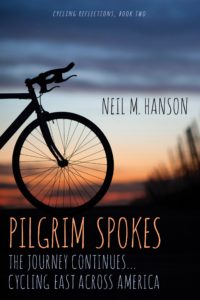
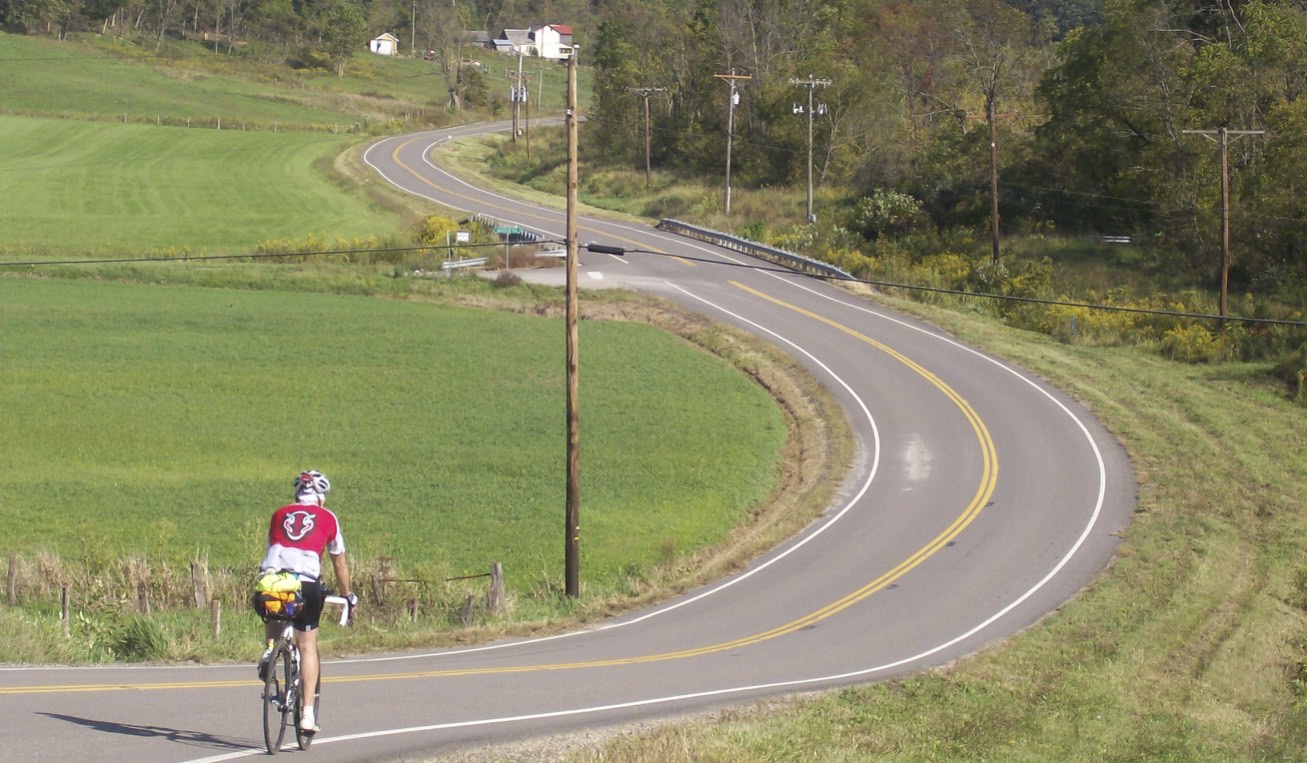
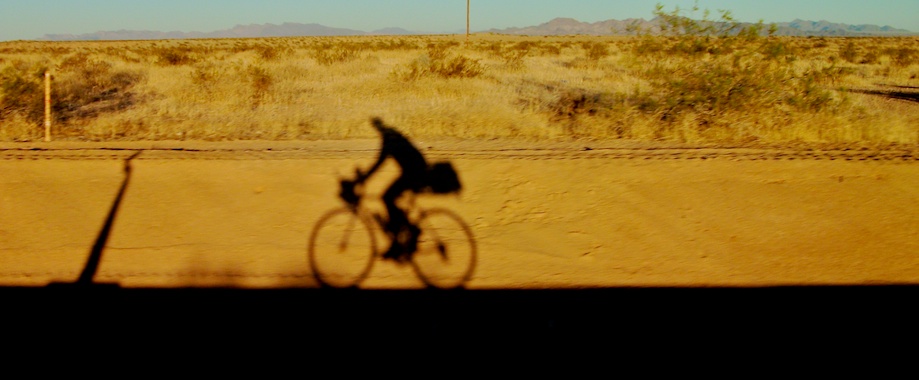
I’m making good progress on my next book, which is going to be a chronicle of my pilgrimage across the mountains and deserts of the west last year on my bicycle. I’m really enjoying the writing, and it’s coming along quite nicely. I’ve LOVE to find a couple folks who’s like to read an early advanced manuscript, or parts of it. If you have any interest in cycling, adventure, or pilgrimages, I think you’d enjoy the reading. It’s free, and your feedback will be REALLY helpful to me – helping me to learn more about what folks enjoy the most.

It’s a great chance to have a big hand in defining the shape of a book as it evolves toward completion!

Please contact me either through the contact form on my website or directly at neil@neilhanson.com or on Twitter at #neilmhanson, so we can work out what format works best for you.


“Peace” featured in Reviewers Bookshelf at Midwest Book Review

The October, 2011 edition of Reviewer’s Bookshelf at the Midwest Book Review featured the following review of “Peace at the Edge of Uncertainty”

Many thanks to Nicole and Midwest Book Review!

Death is the final frontier. It is the destination of every person to walk the face of the Earth. It is unavoidable, inescapable, unknowable – yet it holds such a mysterious fascination. Any book examining death from a personal perspective immediately becomes universal in scope. We all seek to find out what lies beyond. We yearn for answers, yet fear what is impossible to discern. In Peace at the Edge of Uncertainty, Neil Hanson recounts the spiritually charged moment of experiencing firsthand his father’s passing. In that hospital room, he witnessed the veil, separating life and death, briefly lift in his presence. It was a profound encounter that continues to shape his outlook on life.

Hanson wrote the book 15 years after his father’s death. It is composed in letter format as he attempts to correspond with his father on a spiritual plane. He hopes that by expressing his thoughts and emotions on paper the message will reverberate to where his father’s soul now resides. Hanson stresses two points. First, he says he’s sorry for any stress his youthful misbehavior may have caused and that he forgives his father for not always being there for him when he was growing up. Second, he tells his father that he loves him. Contrition, forgiveness and love are what Hanson yearns to tell his father from the very depths of his heart.

The emphasis behind this communication is that Hanson’s father was brought to the hospital in a coma from which he never recovered. The unexpected nature of the situation left no room for closure. Hanson was never able to talk with his dad again. While his body was still physically present for the remaining time they had together, his mind was not. This absence of words prompted Hanson to write this book. He longed to be able to communicate with his father one last time.

While Christian in nature, the book is pluralistic in tone. Hanson does not endorse any particular faith and in fact finds that many organized religions hinder people from connecting with the divine. He feels people are desperately searching for ways to experience God in their lives, and that they are not provided with the proper spiritual instruction on how to achieve this desire.

His own divine awakening began as a teenager at a high school wrestling tournament. When he was thrown to the ground during a match, he felt his soul leave his body. The atmosphere around him became suffused with light and harmony. Everything was silent, but for what seemed like a chorus of angels filling his ears. He felt a sense of peace he never knew existed. He had entered a state of utter bliss. It was magical, mystical. Until he floated up to the ceiling and noticed the dust on a light fixture, his soul with a pop immediately reunited with his body on the mat. Being able to notice something ordinary like dust, Hanson took to mean that he was still tethered to the ties of this world.

It wasn’t until his father drew his last breath that this doorway opened to him again. Albeit, this time he was only allowed to peek through the keyhole and not walk through the door. The same immense feelings engulfed him as his father’s soul became separated from his body. While ultimately feeling sad for their impending separation, Hanson also experienced an overwhelming sense of joy as he felt a divine presence enter the room. With his heart rapidly beating and tears streaming down his face, he was granted the privilege of witnessing his father cross the dividing line between life and death.

In a beautiful passage, Hanson recounts the joy of impending fathers in the hospital’s maternity ward at the arrival of their newborn babies. What happiness to be there for your child on such a momentous occasion. As his father’s soul slips away he realizes the circular nature of the journey. As the son is now there for the father as he returns to the place from which he was born.

Overall, Hanson beautifully relates the privilege of being able to witness the last breath of a loved one.

Tagged